Use rugs, ceiling lines, lighting temperatures, and furniture backs to define functions without erecting partitions. In a 32-square-meter studio, a linen curtain framed a sleeping niche, while a slim console implied an entry. The room stayed open, yet routines felt distinct and comfortably private.
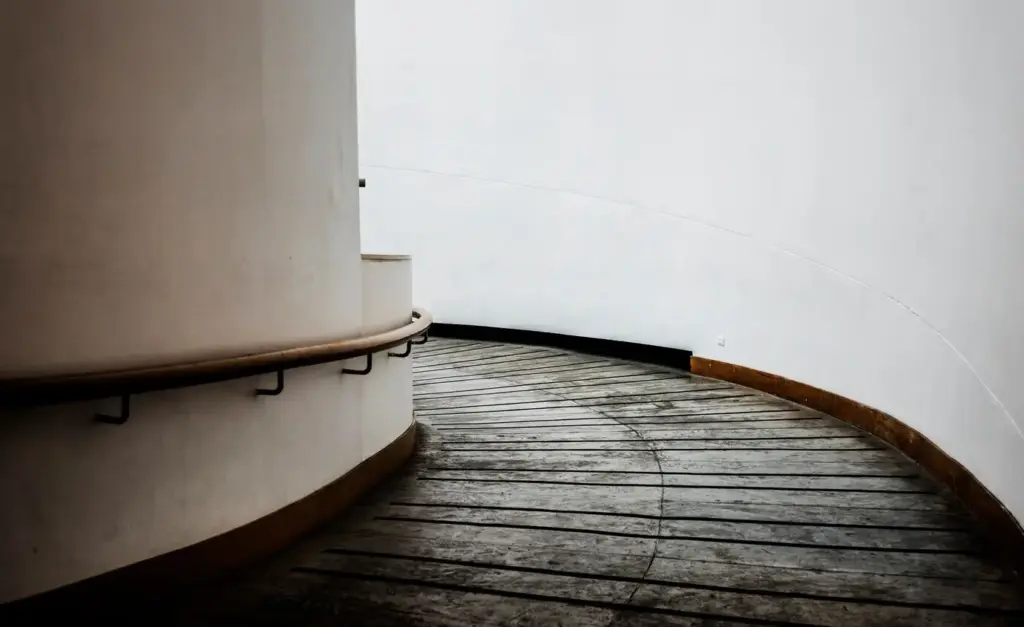
Favor continuous paths that loop around furniture rather than terminating abruptly. Even a small loop reduces congestion and invites playful exploration. Try pulling seating off walls, floating a table, and aligning handles; you’ll notice calmer movement and fewer awkward pivots when entertaining.
Choose a single, meaningful focal point—artwork, a window, or a sculptural lamp—and keep sightlines unobstructed. Anchor seating to that moment, then let everything else recede. The strategy calms small spaces, reduces clutter creep, and enhances perceived size without expensive renovations or structural changes.